What Do I Need as a Family Caregiver?

Medically reviewed by:
Katie Meiers, manager of care management at Network Health
Lauren Lubinski, pharmacist at Network Health
When you first step into a caregiving role, it can feel like you’re being asked to keep track of a hundred things at once. Which medications is mom taking? When is dad’s next appointment? Where did that insurance card go? And who in the family is handling what?
Here’s the good news: you don’t need a perfect system. You just need a simple one that works for you and the person you’re caring for.
But first, remember that caregiving should start with a conversation whenever possible. This helps you understand the health goals of the person you’re caring for and what they are comfortable with. Once you’ve had those discussions, it’s time to get organized. Let’s start with an area where the risk is big but there are concrete steps you can take to minimize that risk.
Medication Tracking: Small Mistakes Can Become Big Problems
Managing medications might sound simple, but it’s one of the easiest places for things to slip. Even the most organized people can run into trouble when they’re juggling several prescriptions, a busy schedule and a lot of emotions.
Think about it… How many times have you forgotten to take your own medication, forgotten whether you’ve already taken it or just forgot to pick up a prescription. It happens to all of us, and it can happen even more easily when you’re trying to manage medication for someone else.
Some of the most common medication mistakes include:
- Missing doses
- Forgetting whether a medication was already given
- Accidentally giving a second dose
- Taking a medication the wrong way with food or supplements
- Using outdated medication bottles
- Not keeping an updated medication list
What’s the big deal with missing a dose or two? It might sound minor, but for many medications, the ramifications are significant.
Blood thinners, for example, leave your system quickly. Even missing one dose can increase the risk of blood clots or stroke. Similarly, medications to prevent seizures or high blood pressure rely on consistent use, and even one missed dose can have adverse effects.
The good news is that a few simple habits can go a long way:
- Keep one up-to-date medication list. For each medication, write down the name, dose, what it’s for, when it’s taken and who prescribed it. Update it every time something changes, and clear out old bottles so they don’t get mixed in.
- Build a routine. Taking medications at the same times each day makes them easier to remember.
- Use alarms and checklists. A phone alarm and a simple checkoff sheet can help answer the “Did I already give that?” question.
- Try a pill organizer. Filling one weekly gives you a quick visual check on what’s been taken and what hasn’t.
- Bring the list to every appointment. It helps every provider see the full picture.
- Ask your pharmacist about medication bubble packaging. It organizes pills into clearly labeled doses by day and time, helping reduce missed or duplicate doses and making medications easier to manage.
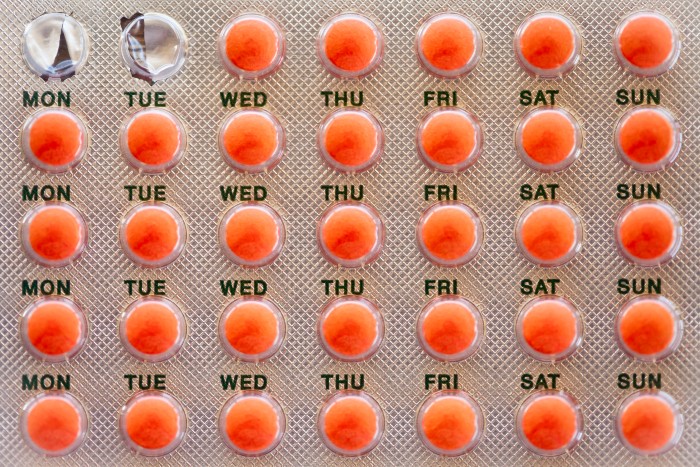
One more thing to track: how your loved one feels on their medications. Sometimes the person you’re caring for no longer wants to take a medicine that made them nauseous, for example. After all, they want to feel good and eat foods they like. As necessary as some medications might be, it’s important to listen to their desires and goals.
In this situation, jot down the medication that is causing the side effects, then talk with the doctor or pharmacist before making any changes. Listen to your loved one’s concerns, but don’t stop or adjust a medication on your own.
Your Care Notebook: What to Gather and Where to Keep It
Think of a care notebook as your “everything in one place” home base. It can be a three-ring binder, a folder or a digital document. What matters is that the information is easy to find when you need it, whether that’s at a doctor’s office, at the pharmacy or during an unexpected trip to the emergency room.
When you first take over caregiving responsibilities, there are a lot of questions. What is their insurance? Where is their insurance card? What pharmacy do they use? Who is their primary care provider?
Here’s a simple template you can use to set up your own:
-
- About Your Loved One: Full name, date of birth, address and emergency contacts.
- Insurance: Insurance information and copies of insurance cards (front and back).
- Care Team: Primary care provider, specialists, pharmacy and any medical facilities they use, with names and phone numbers.
- Medical History: Conditions, surgeries, allergies and past hospital stays.
- Medication List: The up-to-date list we covered above.
- Appointment Log: The date, who went, what was discussed, any next steps and questions to ask next time.
- Support Preferences and Independence Goals: How much help they want, what information they’re comfortable sharing and what independence means to them.
- Important Documents: Advance care planning documents, who has permission to speak on their behalf and where the originals are kept.
- Who’s Who: Which family members are handling which tasks, with their contact information.
- About Your Loved One: Full name, date of birth, address and emergency contacts.
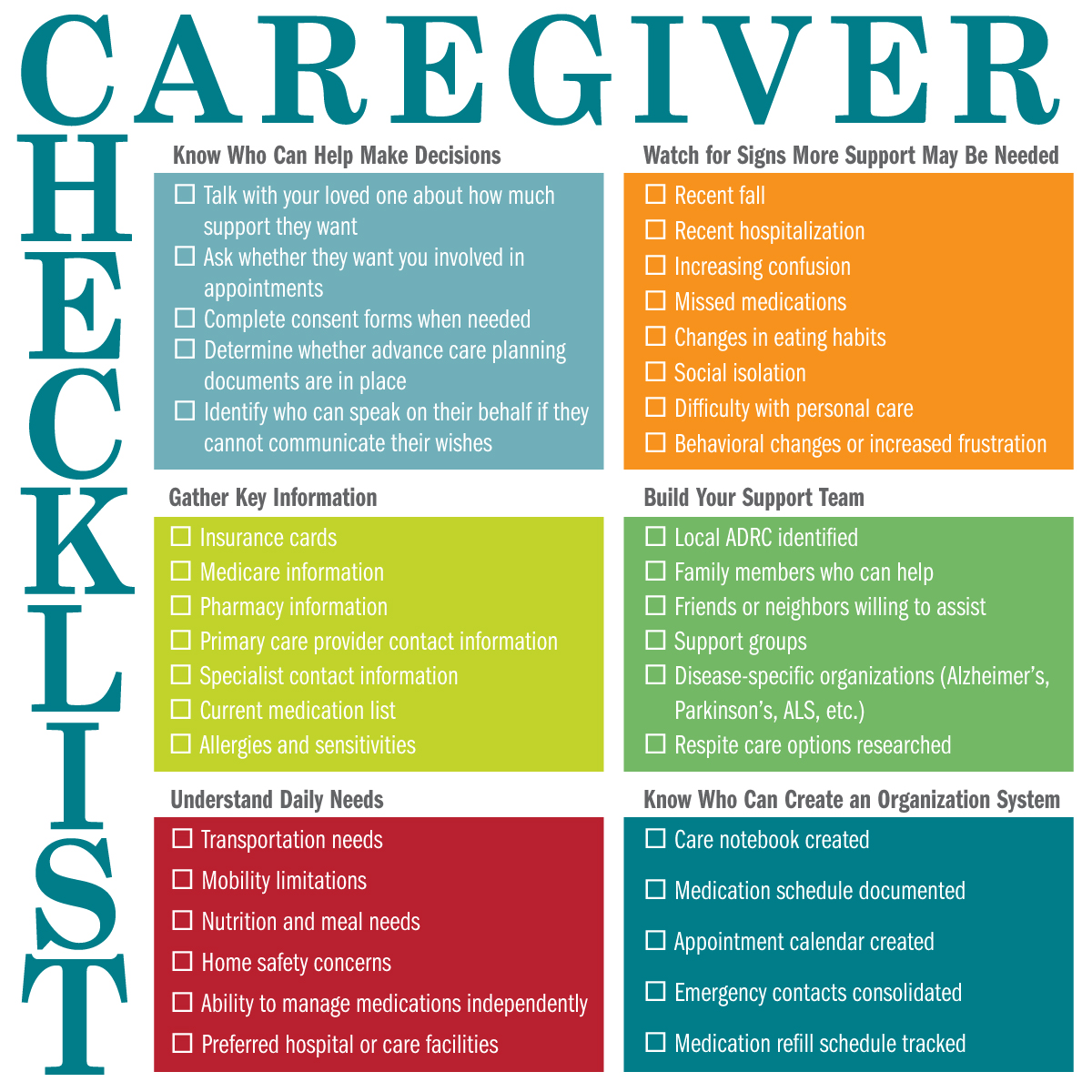
Save this caregiver checklist to your phone for quick reference as you work through your caregiver journey.
Download & Save to Your Phone
Organizing Responsibilities Among Family Members
When it comes to caregiving, it can sometimes be three or more jobs at once. Many caregivers are working, raising kids and managing a household all while caring for a loved one. Trying to do it all alone is a fast track to burnout.
If you have family members or close friends who can pitch in, sit down together and divide up the work. Here’s how to get started:
- Talk it through. Include your loved one in the conversation whenever they want to be. It’s their care, and their voice matters.
- Make a list of everything that needs to be done. Think medications, appointments, rides, meals, finances, household tasks and phone calls with providers and insurance.
- Match tasks to strengths and availability. The sibling who lives out of state might be great at handling bills and insurance calls. The neighbor down the street might be able to drive to appointments.
- Choose a main point of contact. It helps to have one person keeping the care notebook updated and sharing news with the rest of the family.
- Check in regularly. Needs change, and so does everyone’s schedule. A quick monthly check-in can help you adjust before anyone feels overwhelmed.
Providers, health systems, facilities and insurance companies may also require formal permission for you or others to speak on your loved one’s behalf. At Network Health, for example, we require consent before speaking with anyone on a member’s behalf about things like benefits, claims, financial information and care management. Advance care planning documents can also name who can speak for someone if they’re ever unable to speak for themselves.
Does your loved one have a Network Health plan? Use our PHI consent form here.
Tools and Apps That Can Help Caregivers
You don’t have to rely on memory alone. A few simple tools can take a lot of the mental load off your plate:
- Medication reminder apps: These can send alerts when it’s time for a dose and help you track what’s been taken. One example is Medisafe.
- Alarms: Even a basic alarm on your phone or your loved one’s can help build a routine.
- Automated pill dispensers: These devices can release the right medications at the right time.
- Remote medication management tools: These can be especially helpful if you’re caring for someone from a distance.
- Shared calendars: One calendar everyone can see keeps appointments, rides and refills from falling through the cracks.
- Shared folders and group messaging: These give the whole family a central place to update each other and store documents, so you aren’t repeating the same news over and over.
If we could offer some advice, we’d say start small. Pick one or two tools that fit your situation instead of downloading ten apps at once. Ask your loved one what feels comfortable to them, since the best tool is the one that actually gets used. And if you’re not sure where to start, your pharmacist is a great resource for medication tools and tips.
One Step at a Time
Getting organized doesn’t have to happen in a weekend. Start with the medication list. Then pull together the basics for your care notebook. Then talk with your family about who can help with what.
Every bit of organization you put in place now will make the next appointment, the next phone call and the next “what do I do?” moment a little easier. And remember: you’re not in this alone. Support is available, and so are people who’ve been where you are.